
首页 » Immunoassay » STD » Hepatitis » What is Hepatitis B Surface Antigen?
HBsAg Explained: What is Hepatitis B Surface Antigen and Why is it Important?
Hepatitis B is one of the most common viral infections affecting the liver. It is caused by the hepatitis B virus (HBV), which can lead to acute or chronic infection. Because many people with hepatitis B may have no obvious symptoms, especially during the early stages, blood testing plays an important role in identifying infection and assessing a person’s hepatitis B status.
One of the most widely used blood markers for hepatitis B screening is hepatitis B surface antigen (HBsAg). But what exactly is HBsAg? What does a positive HBsAg result mean? And how does it relate to hepatitis B antibody and antigen testing? This article explains the basics of HBsAg, its role in hepatitis B diagnosis, and why reliable HBsAg detection is important for modern IVD testing.

According to the World Health Organization (WHO), the global prevalence of hepatitis B surface antigen (HBsAg) among children has decreased by 0.36% since 2015, largely due to the expansion of hepatitis B vaccination programs.
What Is Hepatitis B Surface Antigen (HBsAg)?
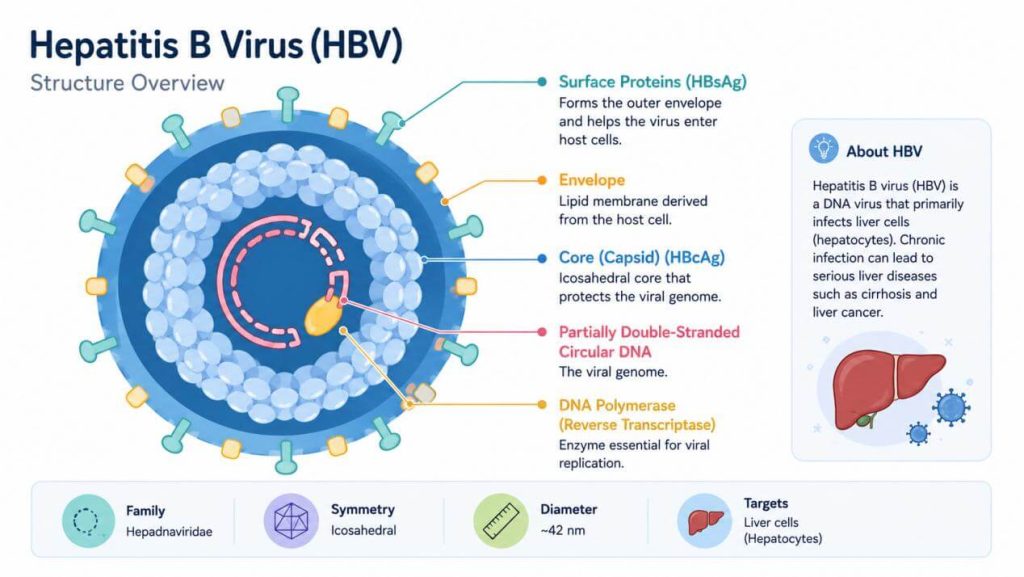
Hepatitis B surface antigen, commonly abbreviated as HBsAg, is a protein associated with the outer surface of the hepatitis B virus. It is released into the bloodstream during HBV infection and can therefore be detected through a blood test. HBsAg is one of the key serological markers used to identify current hepatitis B infection. When HBsAg is detected in a blood sample, it generally indicates that HBV is present in the body.
HBsAg can appear relatively early after HBV infection, making it an important marker for hepatitis B screening and diagnosis. However, HBsAg alone does not provide a complete picture of a person’s infection status.
Healthcare professionals may combine HBsAg results with other hepatitis B markers, including:
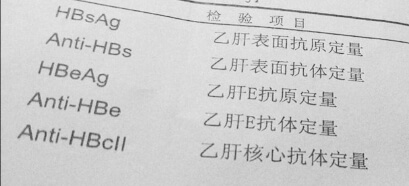
- Hepatitis B surface antibody (anti-HBs)
- Hepatitis B core antibody (anti-HBc)
- Hepatitis B e antigen (HBeAg)
- Hepatitis B e antibody (anti-HBe)
- HBV DNA
- Liver function tests such as ALT and AST
By looking at these markers together, clinicians can better understand whether a person has a current infection, previous exposure, immunity, or a possible chronic infection.
Can Hepatitis B Survive in Dried Blood?
A common question related to HBV transmission is: “hep b can survive in dried blood” — is this true?
Yes. HBV is relatively stable in the environment and can remain infectious in dried blood for an extended period under suitable conditions.This is one reason why hepatitis B is considered highly infectious and why exposure to blood or certain body fluids can present a transmission risk.
Importantly, the presence of HBV in dried blood does not mean that every contact with a dried blood stain will result in infection. Transmission generally requires exposure to infected blood or body fluids through routes that allow the virus to enter the body.Proper infection-control procedures, appropriate handling of potentially infectious materials, and vaccination are important measures for reducing HBV transmission.The environmental stability of HBV also highlights why reliable laboratory screening and detection methods are important for blood safety and infection control.
Why is HBsAg Important for Hepatitis B Detection?
HBsAg is widely used because it provides an important indication of whether HBV infection is currently present.For people who have recently been infected, HBsAg may become detectable before some antibodies develop. This makes antigen detection an important part of the early identification of hepatitis B.
A positive HBsAg result, however, does not automatically tell us how active the infection is or how much liver damage has occurred.
For example, a person may have detectable HBsAg while experiencing relatively little liver inflammation, while another person with persistent HBV infection may have ongoing viral activity and an increased risk of liver complications.Therefore, HBsAg testing is an important starting point, but additional laboratory tests and clinical evaluation are often needed to fully understand the patient’s condition.
Cnpair HBsAg Raw Materials for IVD Development
Cnpair provides hepatitis B diagnostic raw materials for IVD manufacturers and assay developers, supporting the development and optimization of hepatitis B detection products.
Our portfolio includes raw materials designed for immunoassay applications such as CLIA, ELISA, and LF testing, helping manufacturers address different assay formats and development requirements.
For HBsAg assay development, Cnpair focuses on raw material performance including specific reactivity, assay compatibility, stability and batch consistency.
Cnpair Hepatitis Raw Material Solutions
| Project | Product Name | Cat. | Clone | Type | Usage | Application |
|---|---|---|---|---|---|---|
| Hepatitis B Core Antibody (HBcAb) | HBV sAg antigen | E205263 | HBV-Ad | Ag | Control | |
| HBV sAg antigen | E205264 | HBV-Ay | Ag | Control | ||
| HBV core antigen | E205343 | 23D2 | Ag | Coating | EIA/CLIA/LF | |
| HBV core antibody | M205344 | 15F8 | Ab | Detecting | EIA/CLIA/LF | |
| HBV core antigen-MP | E205343-MP | / | MP-Ag | / | CLIA | |
| HBV core antibody-AE | M205344-AE | / | AE-Ab | / | CLIA | |
| Hepatitis B Surface Antigen (HBsAg) | HBV sAg antibody | M10520 | 4B9 | Ab | Coating | EIA/CLIA/LF |
| HBV sAg antibody | M10523 | 17C6 | Ab | Coating | EIA/CLIA/LF | |
| HBV sAg antibody | M10524 | 26F8 | Ab | Coating | EIA/CLIA/LF | |
| HBV sAg antibody | M1055 | E5B6 | Ab | Coating | EIA/CLIA/LF | |
| HBV sAg antibody | M10520 | 4B9 | Ab | Coating | EIA/CLIA/LF | |
| HBV sAg antibody | M10523 | 17C6 | Ab | Coating | EIA/CLIA/LF | |
| HBV sAg antibody | M10524 | 26F8 | Ab | Coating | EIA/CLIA/LF | |
| HBV sAg antibody | MC1028 | 12C5 | Ab | Coating | LF | |
| HBV sAg antibody | MC10210 | 2F6 | Ab | Detecting | LF | |
| HBV sAg Antibody | P1012 | 3F11 | Polyclone | Detecting | EIA/CLIA | |
| HBV sAg antibody-MP | M205351-1B | / | MP-Ab | / | CLIA | |
| HBV sAg antibody-Bio | M10520-Bio | / | Biotin-Ab | / | CLIA | |
| HBV sAg antibody-Bio | M10523-Bio | / | Biotin-Ab | / | CLIA | |
| HBV sAg antibody-Bio | M10524-Bio | / | Biotin-Ab | / | CLIA | |
| HBV sAg antibody-Bio | M1055-Bio | / | Biotin-Ab | / | CLIA | |
| Hepatitis B e Protein Antigen (HBeAg) | HBV eAg antibody | M205614 | 3A2 | Ab | Coating | EIA/CLIA |
| HBV eAg antibody | M205611 | 2B7 | Ab | Detecting | EIA/CLIA | |
| HBV eAg antibody | M10521 | 7A8 | Ab | Coating | EIA/CLIA/LF | |
| HBV eAg antibody | M10522 | 9C12 | Ab | Detecting | EIA/CLIA/LF | |
| Hepatitis B Virus Pre-S1 Antigen (HBV Pre-S1Ag) | HBV pres1 antibody | M1023 | 1C2 | Ab | Coating | EIA/CLIA/LF |
| HBV pres1 antibody | M1025 | 15H6 | Ab | Detecting | EIA/CLIA/LF | |
| Hepatitis C Virus (HCV) | HCV-1 CORE+NS3 antigen | E10801 | HCAg-1 | Ag | Coating | EIA/CLIA/LF |
| HCV-1 CORE+NS3 antigen | E10802 | HCAg-2 | Ag | Detecting | EIA/CLIA/LF | |
| HCV-1 CORE+NS3 antigen | E10805 | HCAg-6 | Ag | Coating | EIA/CLIA/LF | |
| HCV-1 CORE+NS3 antigen | E10802 | HCAg-2 | Ag | Detecting | EIA/CLIA/LF | |
| HCV-1 NS3 antigen | E205427 | 13C9 | Ag | Coating/Detecting | EIA/CLIA/LF | |
| HCV-1 CORE antigen | E205428 | C3A2 | Ag | Coating/Detecting | EIA/CLIA/LF | |
| HCV-1 CORE+NS3 antigen-MP | E10801-MP | / | MP-Ag | / | CLIA | |
| HCV-1 CORE+NS3 antigen-AE | E10802-AE | / | AE-Ag | / | CLIA | |
| HCV-1 CORE+NS3 antigen-Bio | E10802-Bio | / | Biotin-Ag | / | CLIA |
Whether you are developing a new hepatitis B diagnostic assay, optimizing an existing HBsAg test, or evaluating alternative raw material suppliers, selecting the right Hep B antibody and antigen materials can make an important difference in assay development.
Looking for reliable Hep B antibody and antigen raw materials for your IVD development? Explore Cnpair’s hepatitis B raw material solutions or contact our technical team to discuss your assay requirements.
Contact Us
Please contact us for the latest product information